
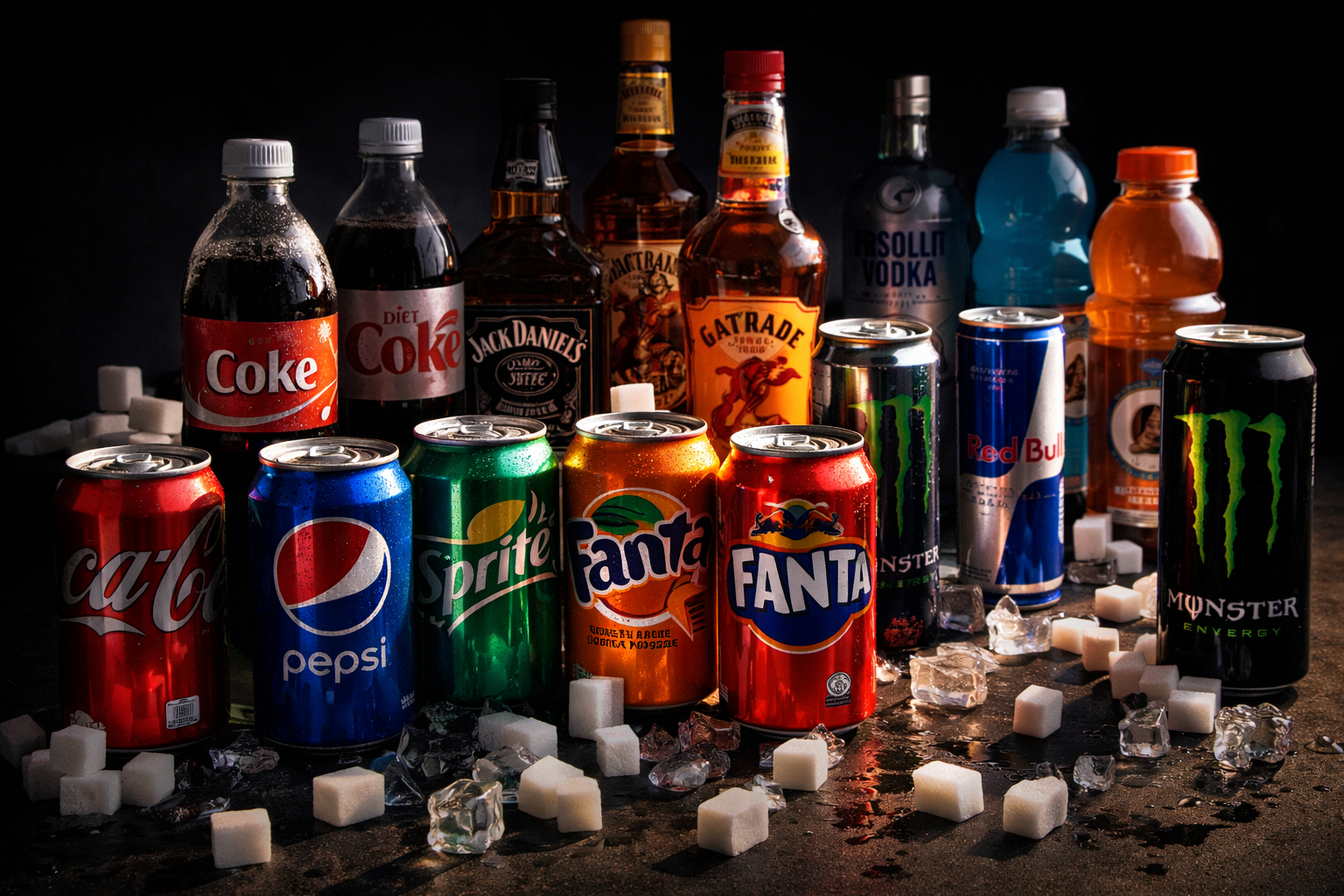
Popular beverages can significantly harm your health, with recent research linking sugary and artificially sweetened drinks to serious medical conditions including type 2 diabetes, cardiovascular disease, and liver disease. Understanding which drinks pose the greatest risks can help you make better choices for your long-term health.forbes+1
Sugary Sodas and Soft Drinks
Carbonated soft drinks rank among the most harmful beverages due to their extreme sugar content. A 20-ounce bottle of Mountain Dew contains 77 grams of added sugars—equivalent to 18.5 teaspoons of granulated sugar and 290 calories. Similarly, a 20-ounce Coca-Cola delivers 65 grams of added sugar and 240 calories. Recent studies from January 2025 reveal that consuming sugary drinks increases the risk of developing type 2 diabetes and cardiovascular disease.eatthis+2
The impact extends globally, with research showing connections between sugary beverage consumption and rising rates of diabetes and heart disease in Latin America and sub-Saharan Africa. A 500ml bottle of Ribena contains 52.6 grams of sugar—the equivalent of 13 Oreo cookies.npr+1
Diet and Sugar-Free Beverages
Despite containing zero calories, diet sodas pose unexpected health risks. An October 2025 study found that consuming just one can of diet soda daily may increase the risk of developing nonalcoholic fatty liver disease (NAFLD) by 60%. These artificially sweetened beverages can alter gut microbiome composition, disrupt satiety signals, increase cravings for sweet foods, and trigger insulin release.cnn+1
Neurologists warn that diet sodas containing aspartame may cause headaches, mood swings, anxiety, and cognitive issues over time. The study also revealed that diet beverage consumption was linked to increased likelihood of dying from liver disease.hackensackmeridianhealth+1
Energy Drinks
Energy drinks present serious cardiovascular risks, particularly for young adults and adolescents. High consumption is associated with dangerous cardiac conditions including ventricular arrhythmias, coronary vasospasm, myocardial infarction, atrial fibrillation, and even sudden cardiac death in otherwise healthy patients. In 2011, 1,499 adolescents aged 12-17 went to emergency rooms for energy-drink-related emergencies.pmc.ncbi.nlm.nih+2
Beyond heart complications, energy drinks can cause dehydration, anxiety, and insomnia. They contain 21 to 34 grams of sugar per ounce, significantly increasing the risk of obesity, type 2 diabetes, and metabolic syndrome. The American Academy of Pediatrics states that caffeine and other stimulants in energy drinks have no place in children's and adolescents' diets.pmc.ncbi.nlm.nih+1
Alcoholic Beverages
Alcohol consumption affects virtually every organ system in the body. Excessive drinking can lead to cardiomyopathy (weakened heart muscle), high blood pressure, irregular heartbeat, and increased heart attack risk. It damages the liver, disrupts the endocrine system affecting hormone balance, and weakens the immune system.niaaa.nih+1
A 2025 U.S. Surgeon General's Advisory highlighted that alcohol increases cancer risk, though only 37% of American adults are aware of this connection. For women specifically, alcohol consumption increases the risk of breast cancer. Long-term health consequences include stroke, liver disease, digestive problems, memory issues, dementia, depression, and anxiety.publichealth.jhu+2
Sports Drinks
While marketed as healthy alternatives, sports drinks contain substantial amounts of sugar. A 32-ounce sports drink contains between 56 and 76 grams of sugar—equal to 14-19 teaspoons and four to six times the recommended daily amount for children and teenagers. A 12-ounce sports drink contains about 21 grams of sugar, compared to 39 grams in cola.nutritionsource.hsph.harvard+1
Sports drinks comprise approximately 26% of total sugar-sweetened beverage intake in adolescents. Unless you're performing vigorous exercise, consuming these drinks increases the risk of obesity, type 2 diabetes, cardiovascular disease, gout, and dental cavities.nutritionsource.hsph.harvard
-(2).png)
Comments 0
No comments yet
Be the first to share your thoughts!
Leave a Comment